The TB Army Project
Supporting TB patients in Panchkula through nutrition and psychosocial care — because recovery depends on consistent support, not medicine alone.
Tuberculosis is rarely just a medical diagnosis. For many families, it also brings financial hardship, emotional stress, social stigma and uncertainty. While medicines play a vital role in curing the disease, recovery often depends on something equally important: consistent support throughout the treatment journey.
Recognising this need, Venus Foundation launched the TB Army Project in Panchkula, Haryana, to provide nutrition and psychosocial support to TB patients and their families. Working in collaboration with the district TB programme through the Civil Dispensary, Sector 20, the initiative helps patients stay committed to treatment, improve their overall well-being and successfully complete their course of medication.
monthly nutrition kits per patient, per year of treatment
Why TB treatment needs more than medicine
TB treatment generally lasts between six months and a year. During this period, many patients experience weight loss, weakness, reduced income, social isolation and emotional distress. Poor nutrition weakens the immune system, making recovery more difficult, while stigma and financial challenges often discourage patients from continuing treatment.
These factors contribute to treatment interruption — one of the major reasons behind persistent TB transmission and the development of drug-resistant TB. The Government of India's Nikshay Mitra initiative, under the Pradhan Mantri TB Mukt Bharat Abhiyan, encourages individuals and organisations to adopt consenting TB patients and support them through treatment. The TB Army Project is Venus Foundation's contribution to that national mission.
Nutrition support: recovering with strength
Good nutrition is essential for recovering from tuberculosis — the body needs adequate protein, energy and nutrients to fight infection and regain lost strength. Under the project, every adopted patient receives a monthly nutrition kit containing protein-rich, energy-dense food such as soya chunks, black chana, soyabean, jaggery, cooking oil and flour, along with nutritional supplements.
Rather than a one-time distribution, these kits are provided throughout the treatment journey, with every distribution carefully tracked so support reaches families consistently until treatment is complete.
Nutrition strengthens the body, but emotional support strengthens the determination to continue treatment.
Psychosocial support: standing beside patients
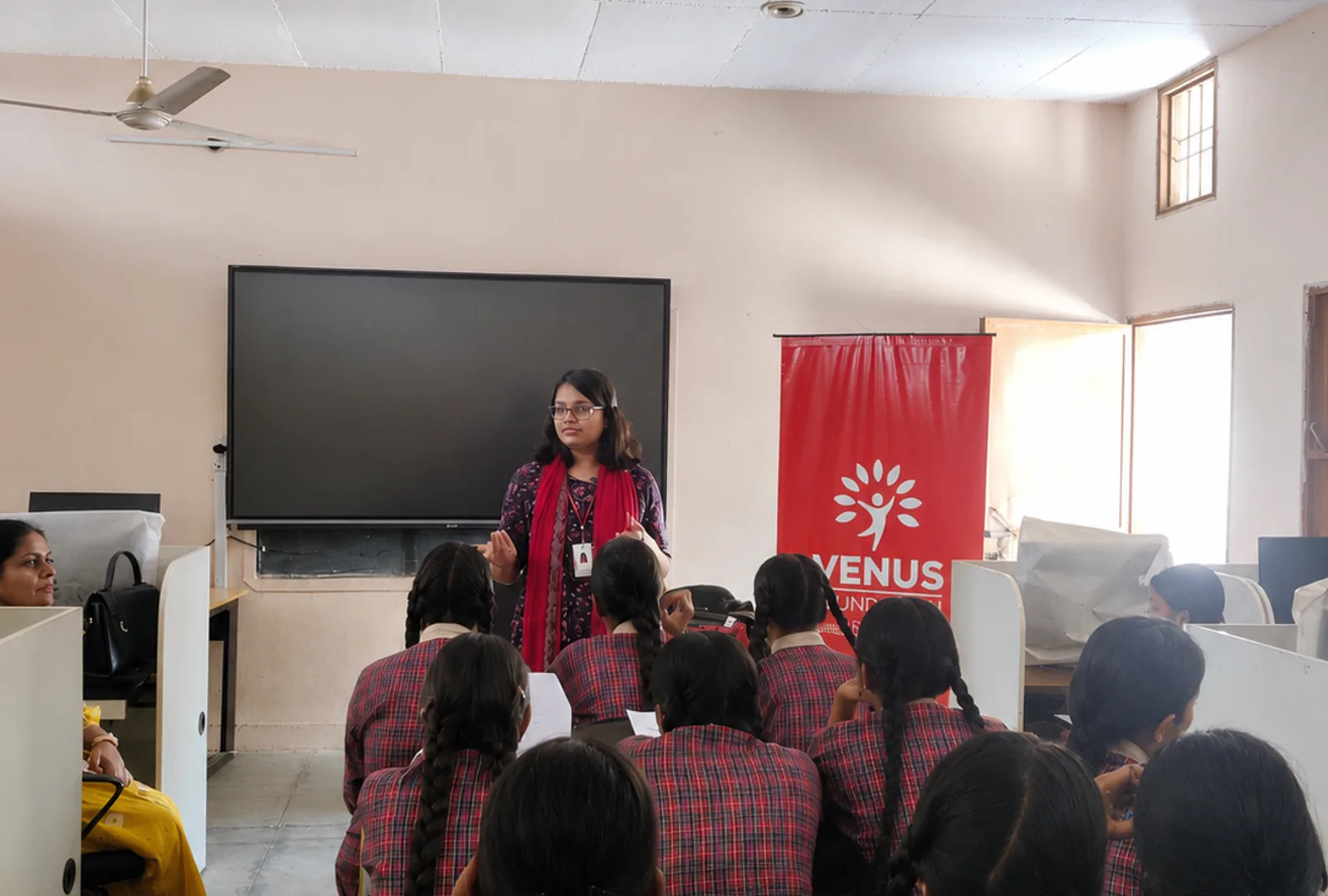
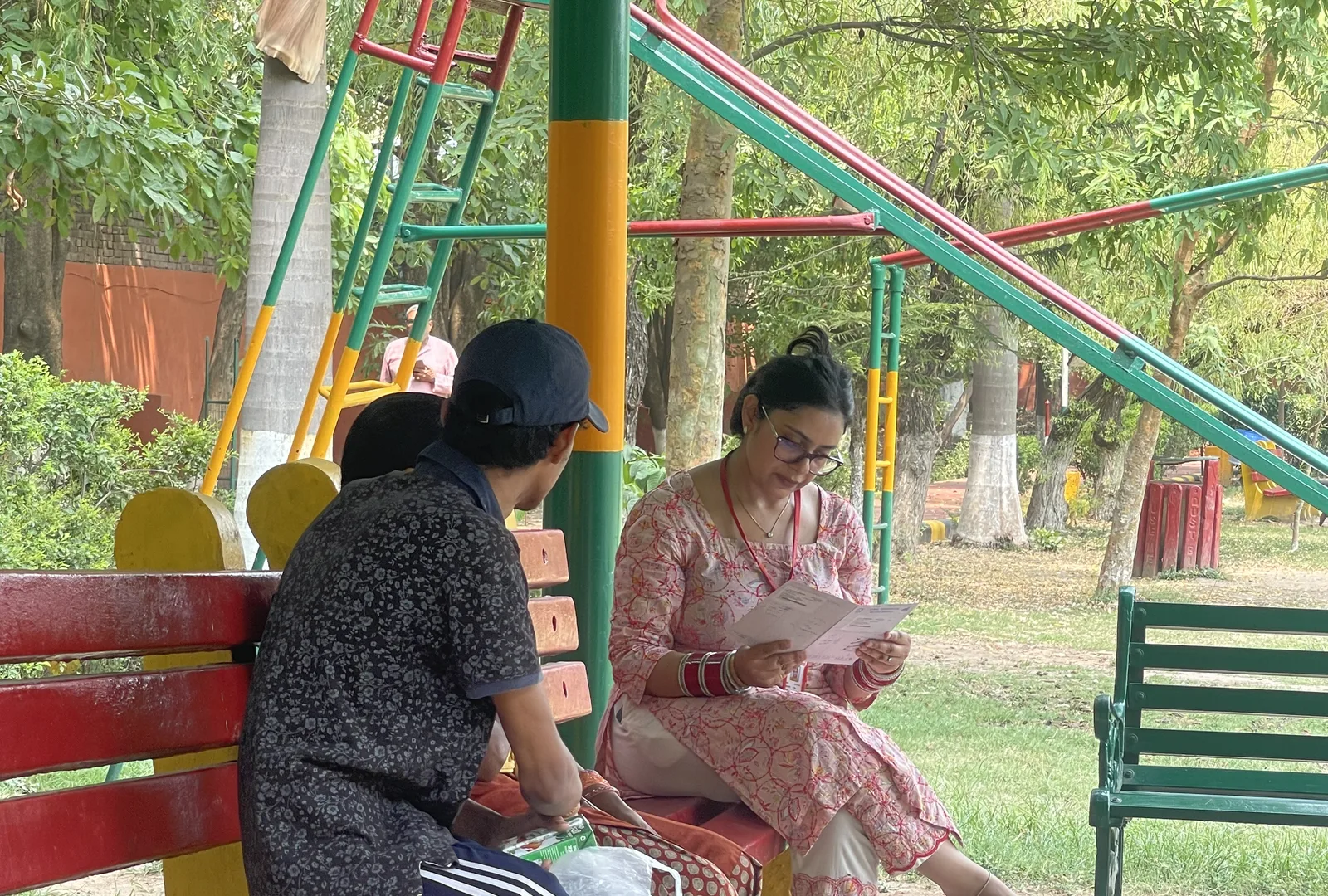
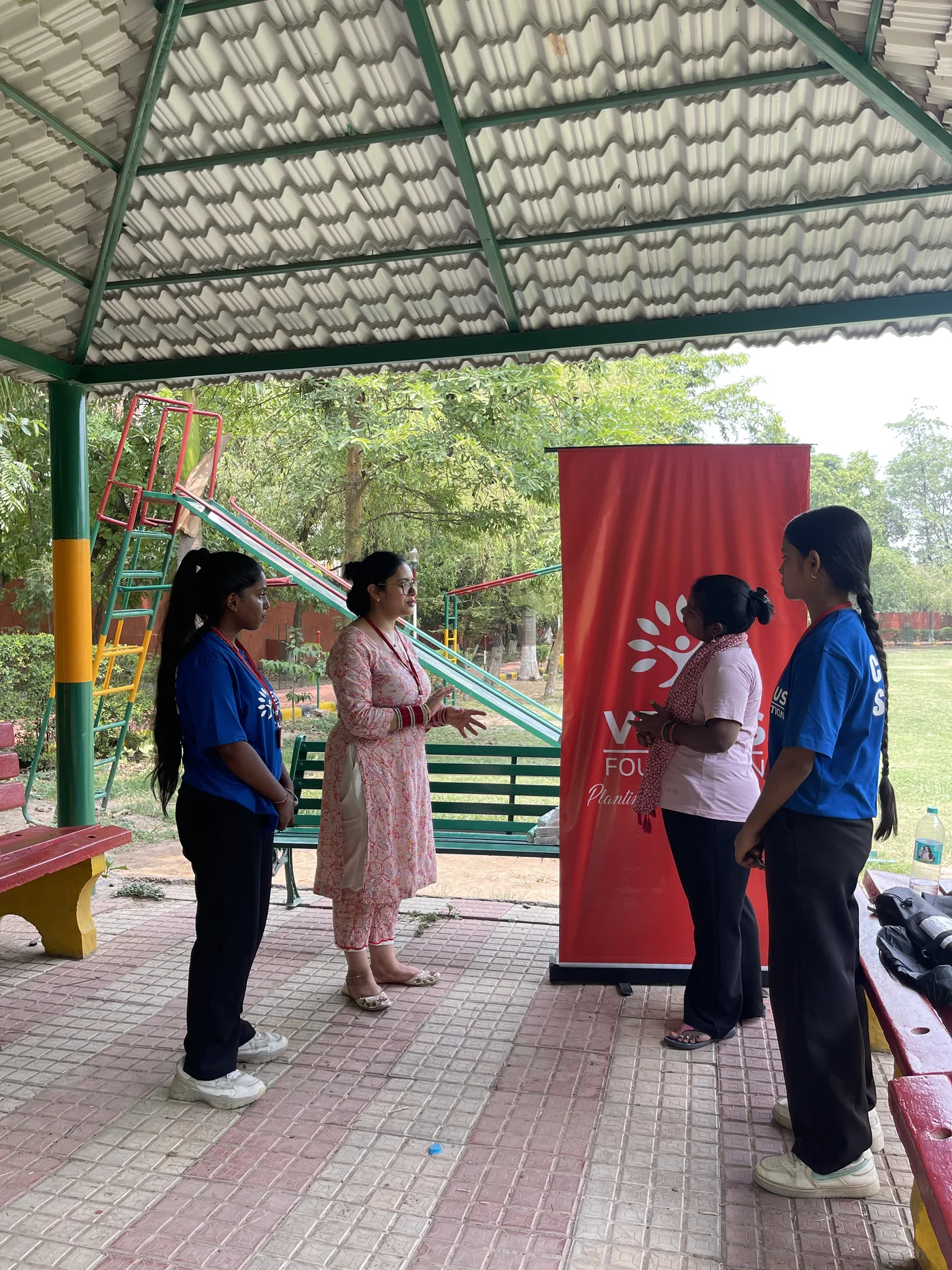
The project focuses equally on psychosocial support, recognising that many patients struggle with fear, anxiety, stigma and loneliness. The team maintains regular contact through follow-up calls, family interactions and monthly counselling sessions — a safe space where patients and caregivers can openly discuss their concerns, check on medication adherence, and access government support schemes.
The Foundation does not provide medical advice. Any health concerns or side effects reported during follow-up are immediately referred to the treating doctor, ensuring patients continue to receive appropriate medical care.
Building a community around recovery
One of the project's unique strengths is its focus on building relationships rather than simply distributing support. Family members are actively involved, often serving as treatment buddies who encourage patients to take their medication regularly.
- Adopted patients receive nutrition kits every month throughout treatment.
- Regular follow-up calls and family interactions track medication adherence.
- Monthly one-on-one counselling sessions for patients and caregivers.
- Close coordination with ASHA workers, Medical Officers and District TB officials.
Launched at the Civil Dispensary in Sector 20, the project primarily supports women and children undergoing TB treatment, adopting patients at different stages while continuing to include newly diagnosed cases. Many caregivers say that regular communication from the Foundation gives them confidence during a challenging period.
Knowing that someone continues to check on their progress often becomes an important source of motivation throughout treatment.
India's vision of eliminating tuberculosis by 2030 cannot be achieved through medicines alone. Through the TB Army Project, Venus Foundation shows how nutrition and psychosocial support, delivered consistently and compassionately, can improve treatment adherence and strengthen the well-being of patients and their families — one more step towards a TB Mukt Bharat.
🌱 Key takeaways
- TB recovery depends on consistent nutrition and emotional support, not medicine alone.
- Monthly nutrition kits and counselling reduce treatment interruption — a key driver of drug-resistant TB.
- As a Nikshay Mitra, the project contributes directly to India's goal of a TB-free nation by 2030.
Aarti Singh
Supports the Venus Foundation team in shaping initiatives that make a real difference, while gaining valuable hands-on experience in the field.