Why Government School Girls Still Believe Periods Are a Curse
Bringing honest, judgment-free menstrual-health conversation into government-school classrooms — and what it will take to make that the norm, not the exception.
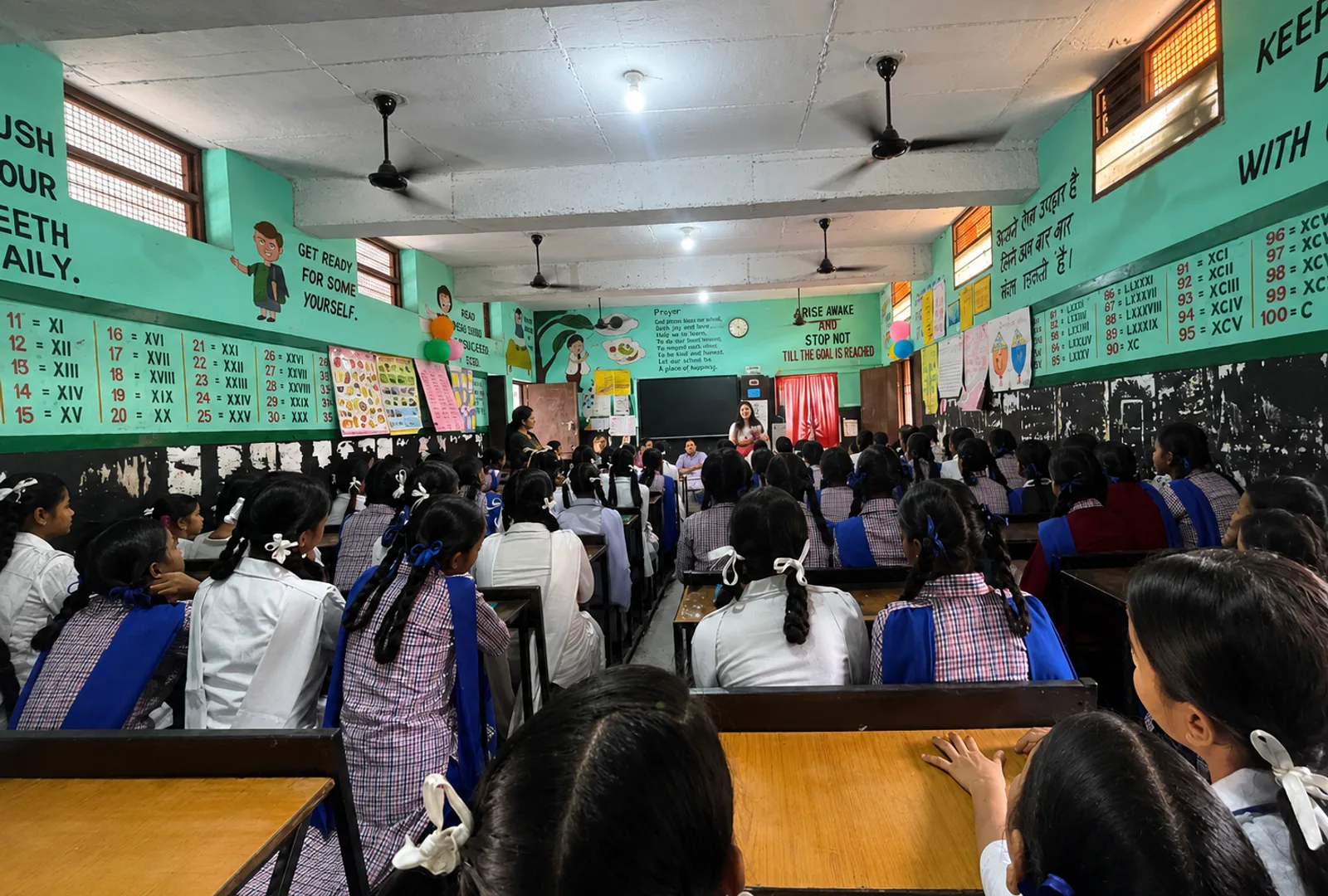
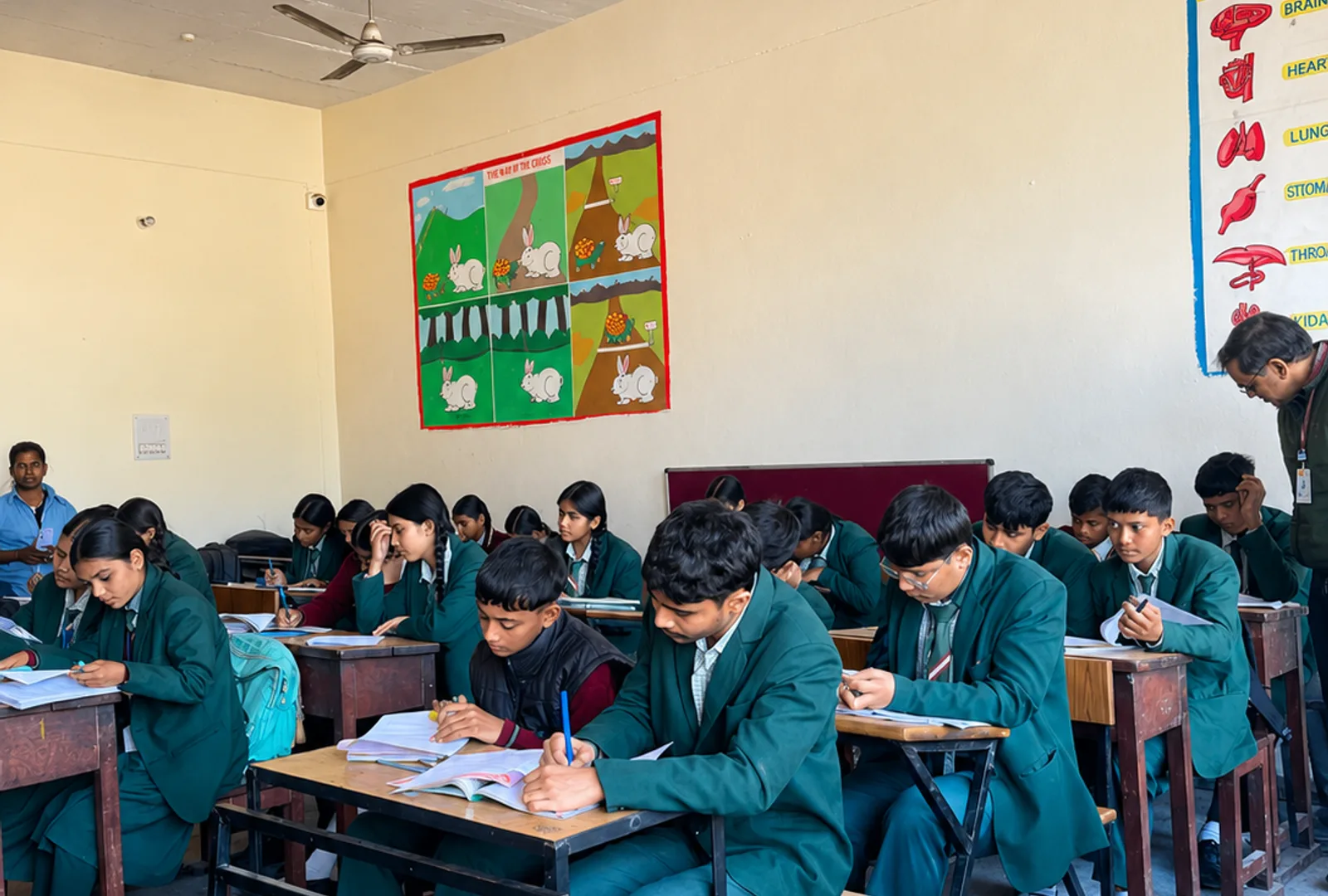
In many government school classrooms across India, myths about menstruation are still accepted as fact. This isn't a knowledge gap from a generation ago — it's happening right now, to girls who have grown up with smartphones but not a single honest conversation about their own bodies.
Many girls still believe that touching pickles during their period will spoil them, that entering a temple is forbidden, and that menstrual irregularities are nothing to worry about. When misinformation becomes the first teacher, girls are left without the knowledge and confidence to make informed decisions about their health.
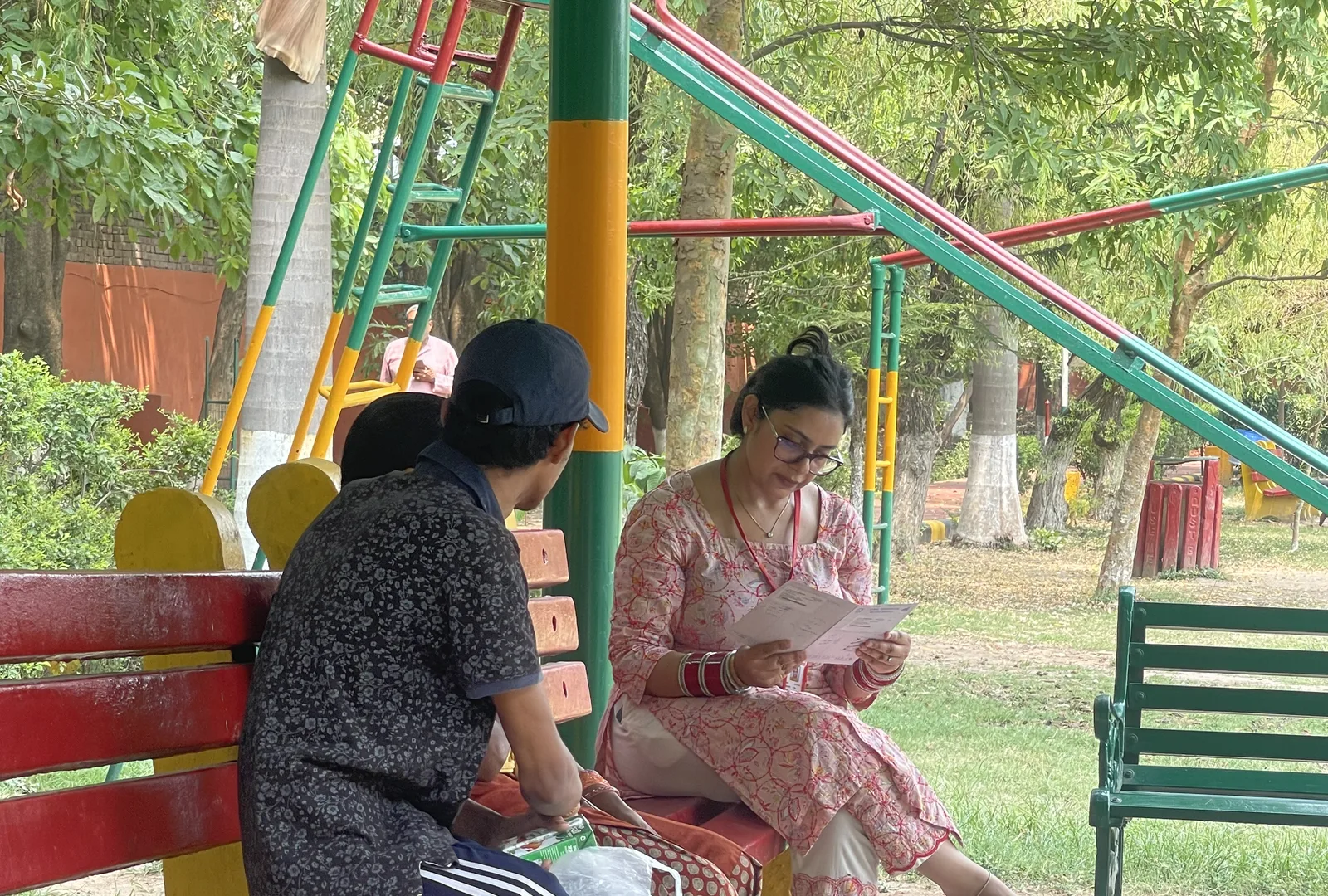
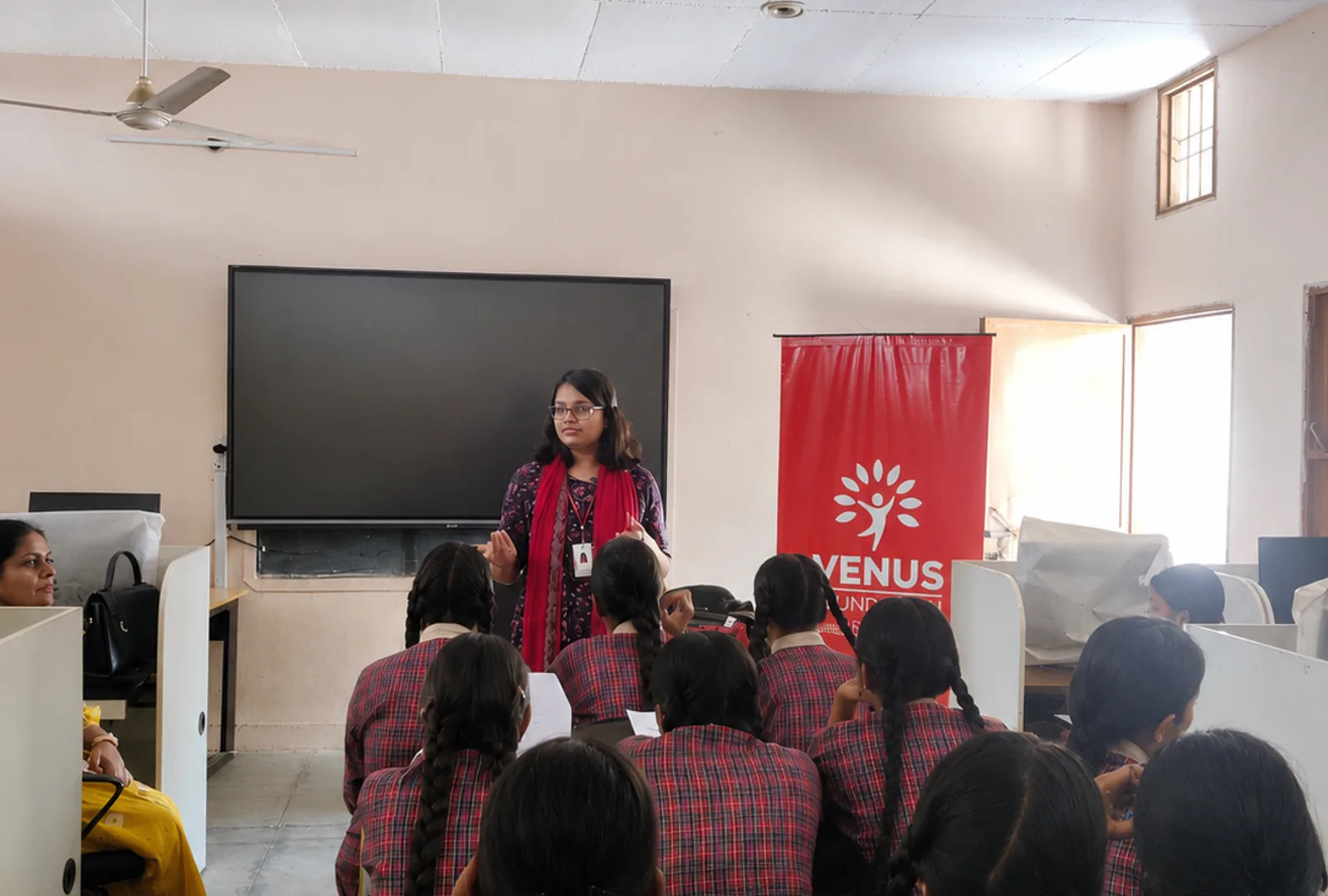
When HerHealth facilitators sat down with the girls, the pattern was immediate. Questions about periods were the ones nobody wanted to ask out loud. Girls wrote questions on paper instead of raising a hand. Some didn't ask anything at all — not because they had nothing to ask, but because shame had already taught them that periods were something to hide, not discuss.
The real problem isn't the myth. Most girls had never been told that a missed or irregular period can be a sign their body needs medical attention. They understood periods as an inconvenience to manage in secret, not as a vital sign worth paying attention to. That gap — not the superstition — is the more dangerous one.
Girls understood periods as an inconvenience to manage in secret, not as a vital sign worth paying attention to.
What the session actually covered
The format was kept simple and direct — over-explaining a topic girls have been taught to feel ashamed of only reinforces the shame. Four things anchored every session:
- Separating comfort from curse — practices like avoiding the kitchen or temple aren't about purity or danger, but old ideas around rest, rebranded as taboo. Facilitators reframed them as personal choice, not law.
- Hygiene basics, rarely taught — why pads need changing regularly, what safe disposal looks like, and why improvised materials carry real health risks.
- Why tracking your cycle matters — a low-tech period tracker card lets girls note cycle dates without needing an app or a smartphone many don't own.
- Permission to ask — creating a space where a girl could ask a personal question without twenty classmates turning to look at her.
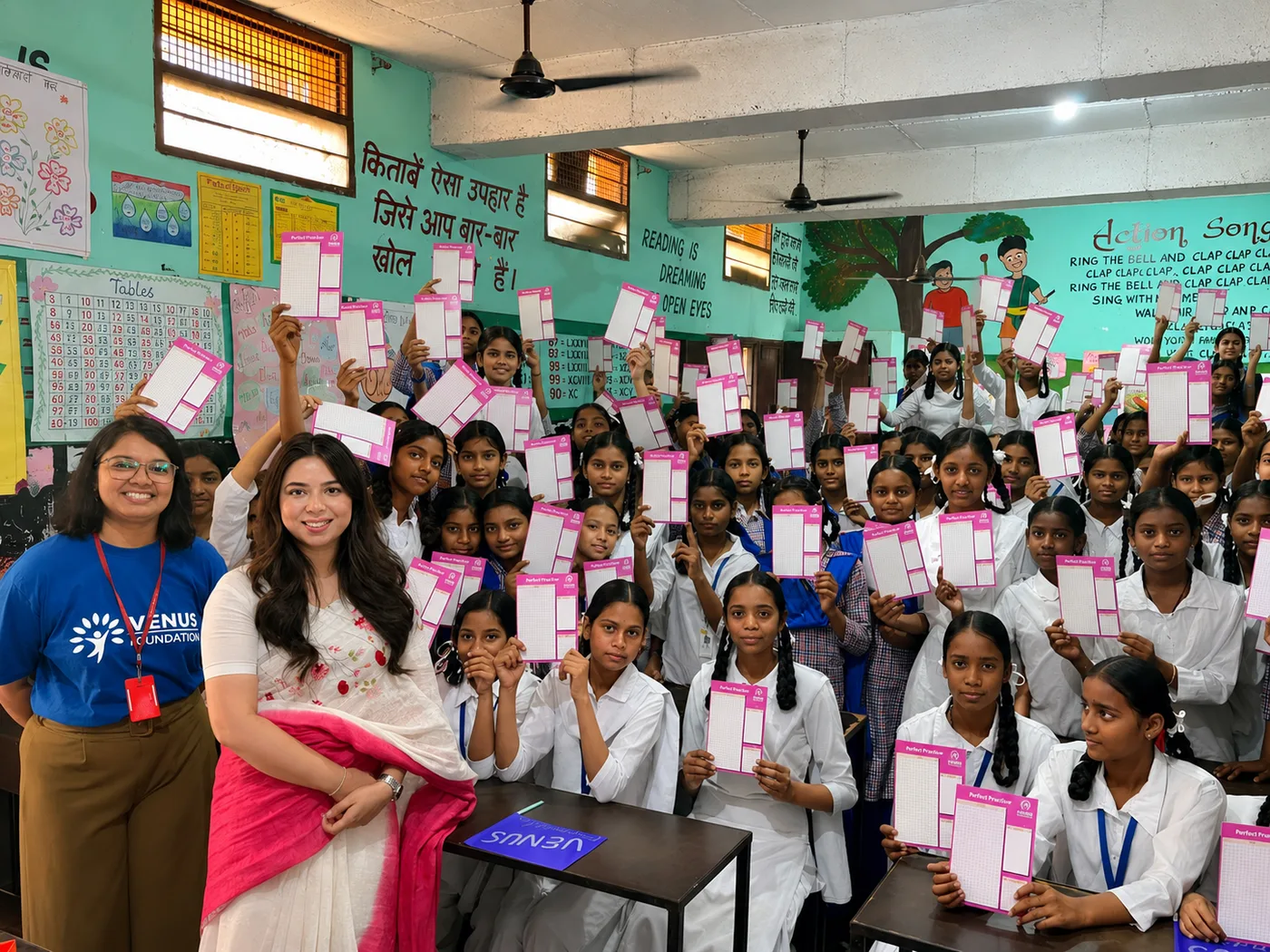
How we measure whether it actually works
A single session can start a conversation, but it only matters if it changes what girls know and do afterward. HerHealth tracks impact across five dimensions rather than relying on how a session "felt": knowledge, engagement, behaviour change, infrastructure and accessibility.
The bar for success. A girl who nods along but goes home to the same silence, the same lack of pads and the same fear of asking hasn't actually been helped. Real impact shows up in whether she now changes her pad on time, knows what's normal for her body, and feels comfortable enough to ask when something isn't.
What changed by the end of the session
The clearest shift wasn't in the answers girls gave to quiz-style questions — it was in body language. Girls who had been quiet for the first half were asking questions out loud by the end. A few came up individually afterward, once the group setting felt less exposing, to ask things they hadn't felt safe asking in front of classmates.
Getting your period isn't a curse, isn't dirty, and isn't something that should make you avoid your own kitchen or a temple you've gone to your whole life.
One session can shift a room. It can't shift a district, a state, or a generation of girls still being taught the same myths their mothers and grandmothers were. That's the gap HerHealth is working to close — through school sessions, period tracker distribution, hygiene kits and infrastructure support like pad disposal facilities — so that awareness doesn't stop at "knowing" and turns into safer, healthier daily habits.
🌱 Key takeaways
- The danger isn't the superstition — it's the silence that stops girls treating their cycle as a vital sign.
- Awareness without access — to pads, tracking tools and a trusted adult — is a soft outcome, not real change.
- Government schools are where the gap is widest, so this work has to scale beyond a single session.
Aarti Singh
Supports the Venus Foundation team in shaping initiatives that make a real difference, while gaining valuable hands-on experience in the field.