How One Forgotten School Found Its Way Back to Life
Government Model Sanskriti Primary School, Sector 19, Panchkula — and two years of showing up.
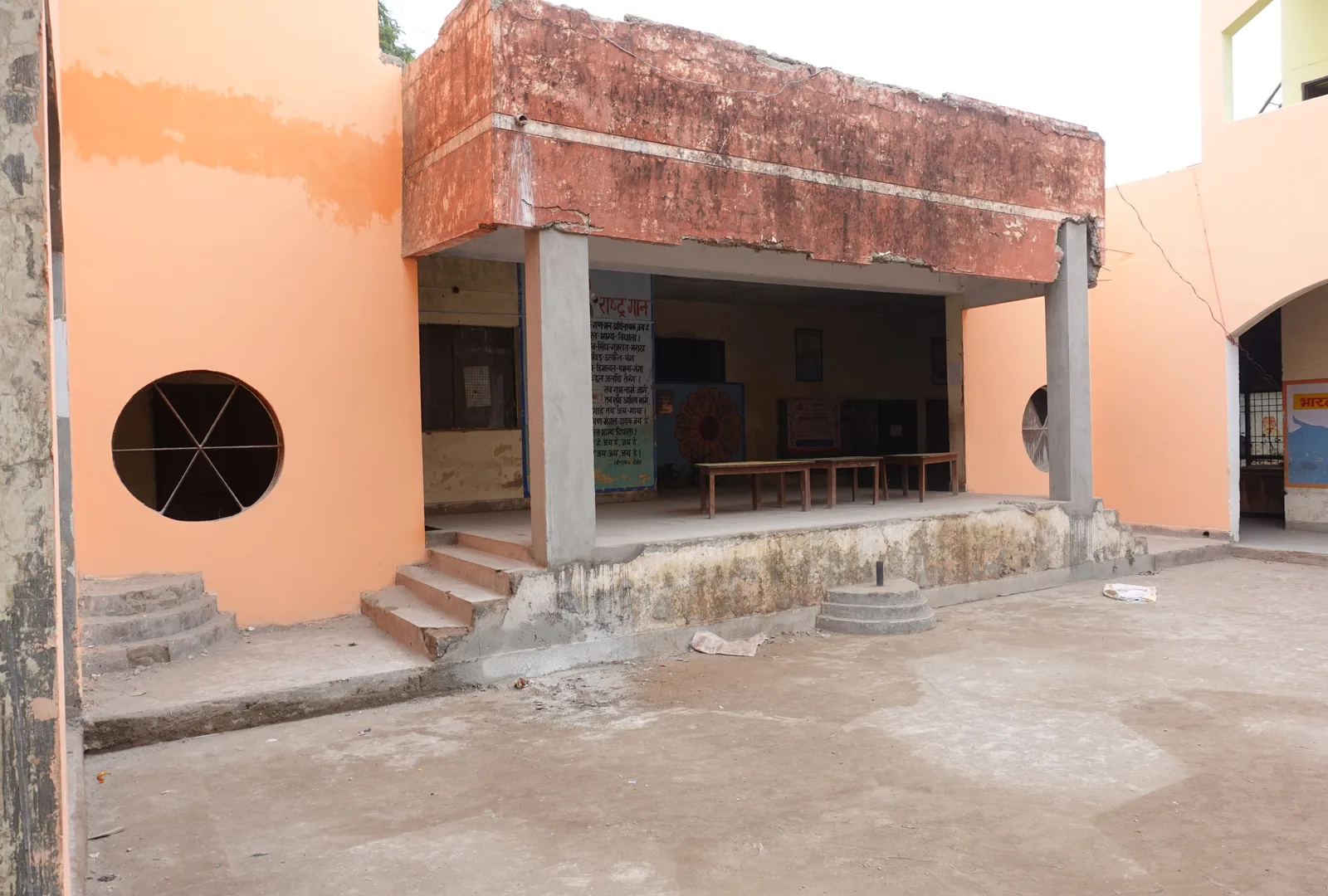
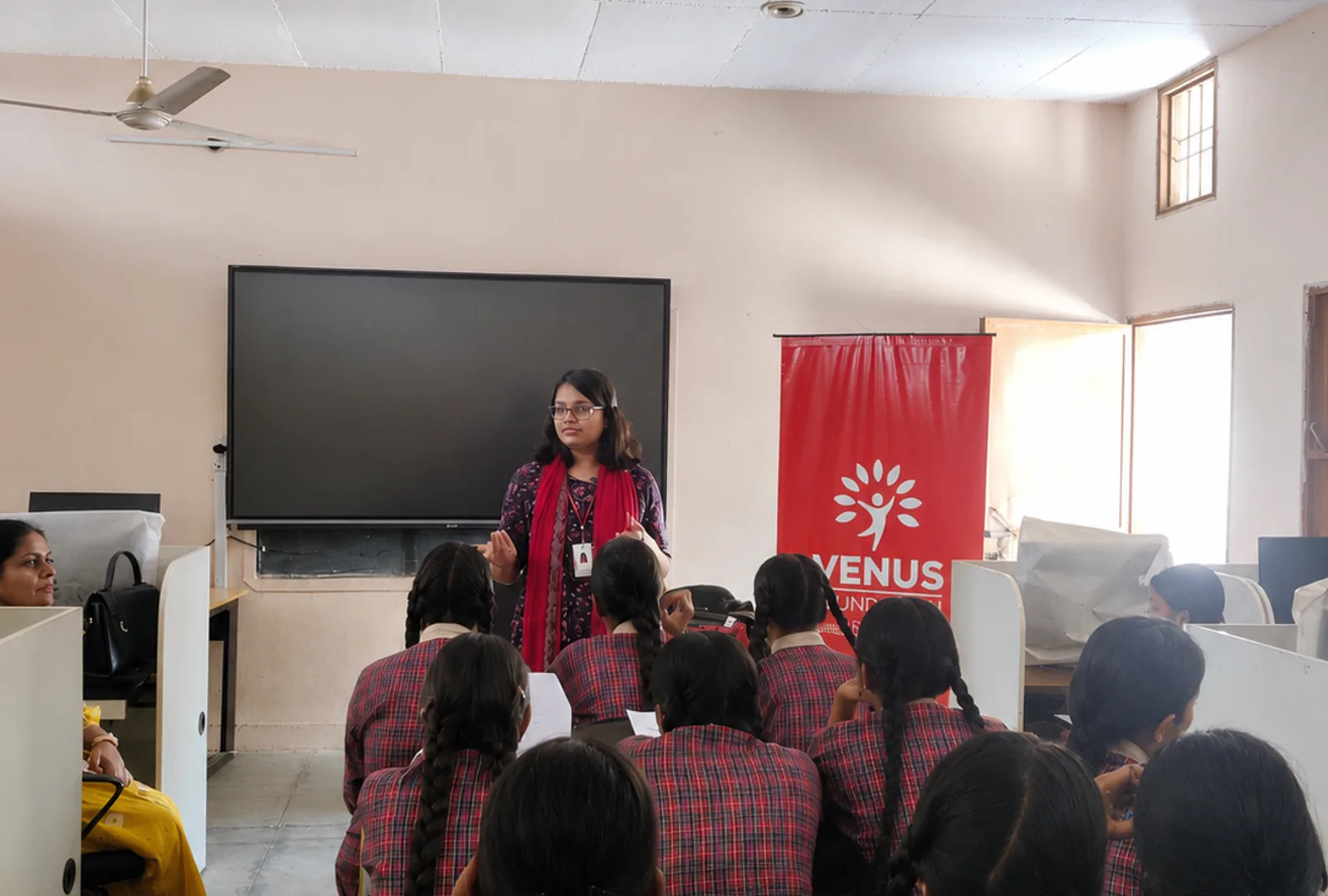
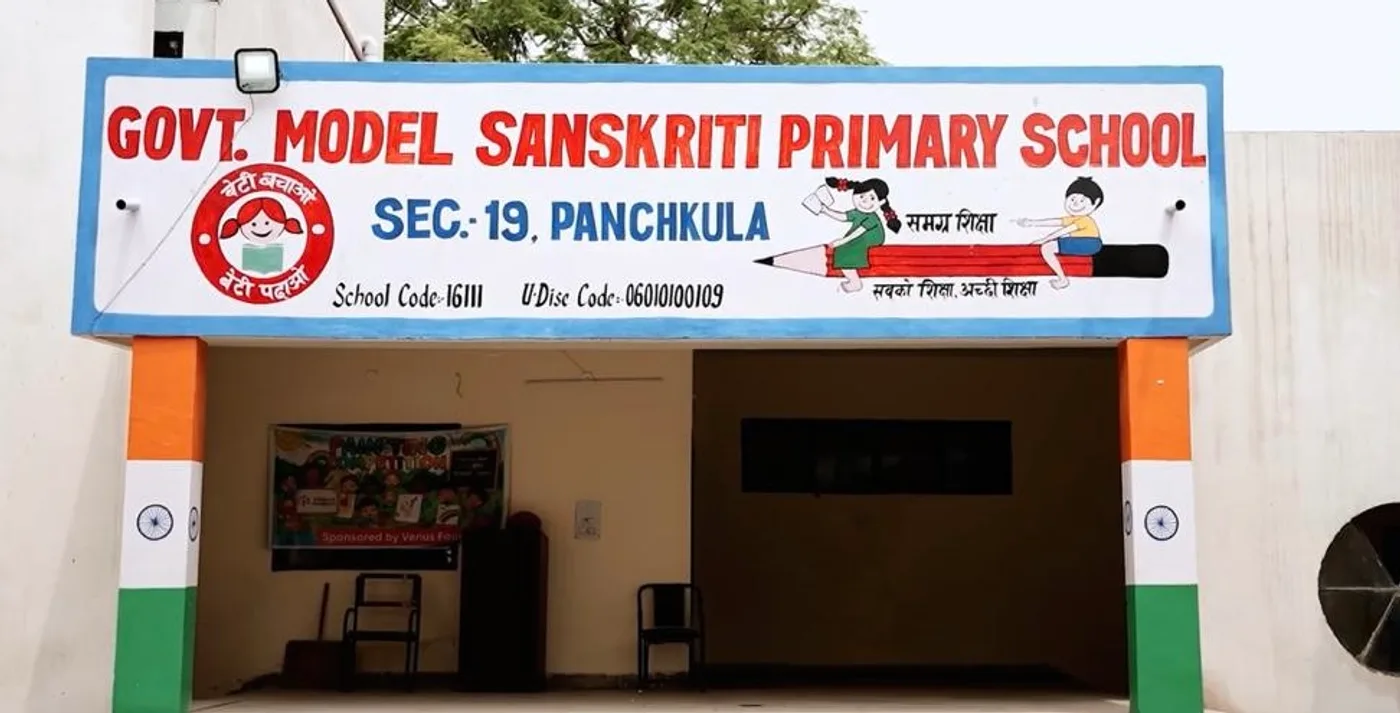
Schools are meant to be places where children feel safe, curious, and excited to learn. But when we first visited Government Model Sanskriti Primary School in Sector 19, Panchkula, we found something quieter than a crisis: students and teachers simply doing their best around challenges that had long become part of their daily routine. When we arrived in February 2024, we did not come with a master plan. We came with one simple intention — to listen.
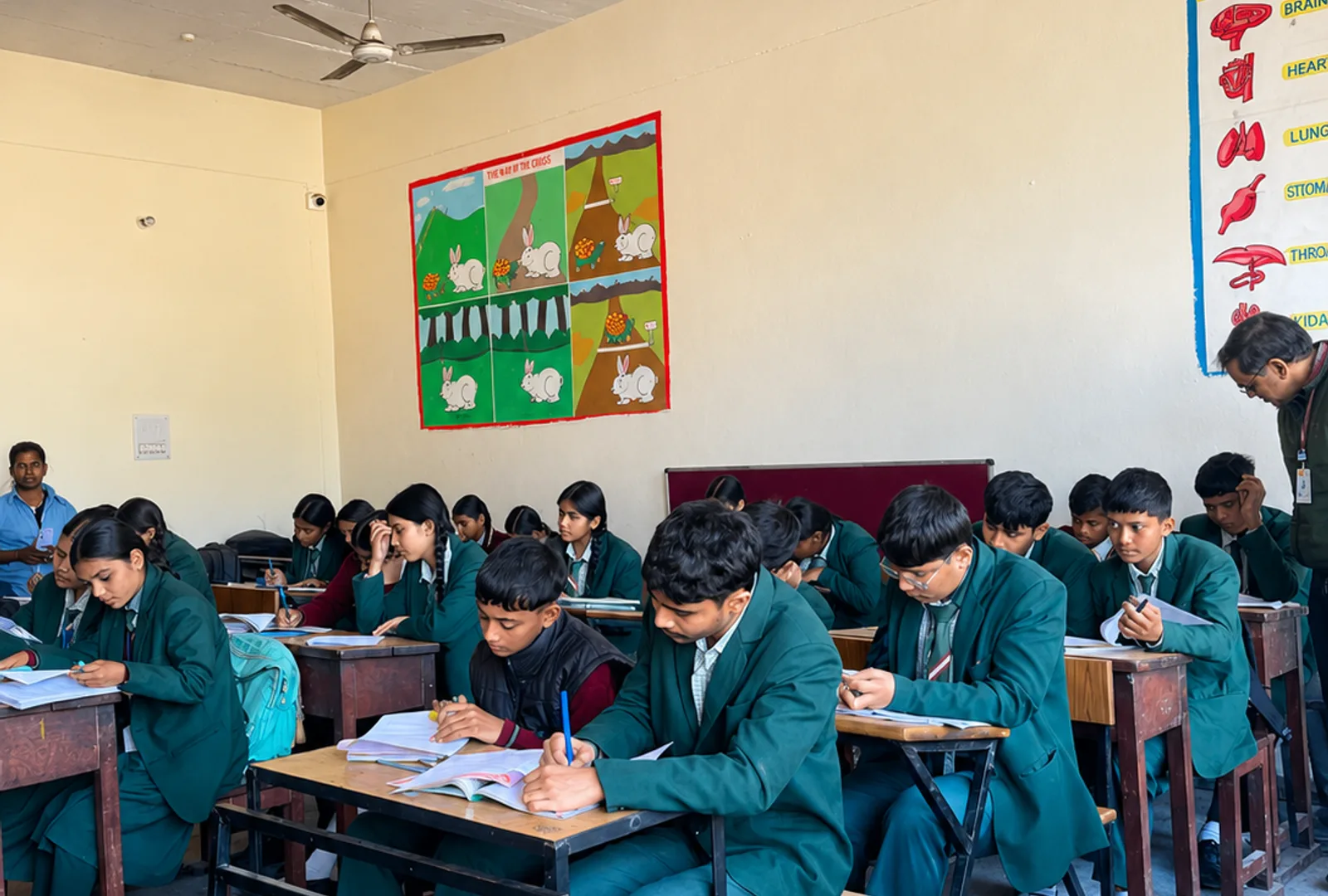
The more time we spent at the school, the clearer it became that these were not isolated maintenance issues waiting to be logged in a report. They were everyday realities that children and teachers had quietly, almost invisibly, learned to live around. On hot afternoons, many lessons were held outside — not because it was part of the teaching, but because the classrooms had become too hot to sit in comfortably. There was very little ventilation, and over time, the children had simply accepted it as part of school life.
No child should have to adjust to discomfort simply to receive an education.
Where do you even begin?
The more we walked through the school, the more we understood that this was not a place with one problem. It was a place where everything had been waiting, quietly, for someone to notice. We knew we could not change everything overnight, so we asked ourselves a simple question: where do we begin? The answer was clear. The washrooms became our first step.
Six hundred girls were sharing just four toilets, and on some days only one was usable. As part of our Clean & Safe School Initiative, we renovated the female washrooms and the adjoining drinking water area first — because before classrooms, before paint, before anything that looks impressive in a photograph, a child needs to feel that the basics have been taken care of.
Light, air, and the spaces in between
After the washrooms, we looked up — quite literally. Broken fans and frayed wires meant children sat through summer afternoons in heat that made concentration nearly impossible. Sixteen new ceiling fans went in, proper cabling was laid, and classroom wiring was redone — not just patched, but installed correctly. A water cooler was procured, fitted with a purifier and a voltage stabiliser so it would actually last.
By August, we had started to understand something important: a school is not just its classrooms. It is everything around them — the kitchen where midday meals are prepared, the trees in the courtyard, the spaces between buildings where children run and eat and simply exist between lessons. We renovated the kitchen so that the women cooking for hundreds of children every day finally had a space that worked properly, and we installed twelve tree guards. Slowly, the school began to look like a place that remembered it had children in it.
The boys, and a question of fairness
After the girls' washrooms were complete, we went back to listen again. Students spoke. Teachers spoke. And the same need kept surfacing quietly and consistently: the boys' washrooms. Roughly seven hundred boys were relying on facilities that had long stopped being adequate. We returned in November 2024 and built nineteen new washrooms, with plumbing done properly and LED lighting fitted throughout. After the work was finished, we went back once more, not to take photographs but to ask how it actually felt. Nobody spoke about construction. They spoke about cleanliness, privacy, and the simple feeling that someone had cared enough to improve their school.
Real success is never measured only by what gets built. It is measured by how people feel once it is there.
Going deeper
By March 2025, we had been visiting Sector 19 School for over a year, and the more time we spent there, the more we understood that a school is a living thing — its needs change with every season, every year, every batch of children that walks through its gates. So we went deeper. The Headmaster's room was renovated. The staff room was rebuilt with a proper store and washroom attached, because teachers spend more hours in that building than almost anyone else. A storm water drainage line was laid so that rainwater, which once flooded the school grounds, finally had somewhere to go. Interlocking paver blocks were fitted across outdoor areas, and the external areas were freshly painted. We were not simply fixing a school anymore. We were building one properly, from the ground up.
BachpanShala — when children pick up the paintbrush
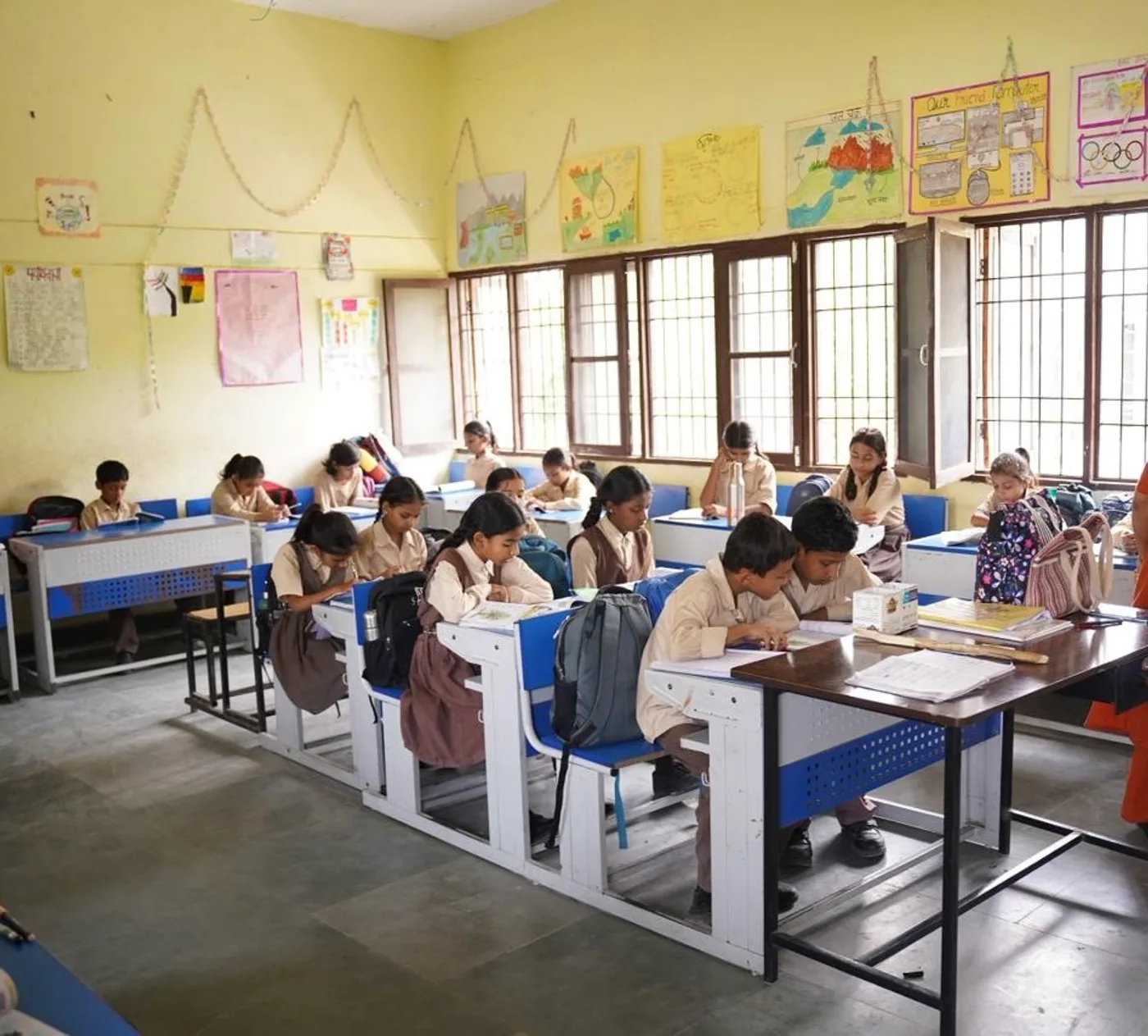
Some days at work do not feel like work, and June 2025 was full of those days. Three classroom units were renovated, including the unit that became BachpanShala. Boundary walls were plastered and painted, the roof was repaired, twenty new fans were installed, and eight older ones were brought back to life. The Divyang toilet was renovated, because differently abled students had waited long enough for a space built with them in mind.
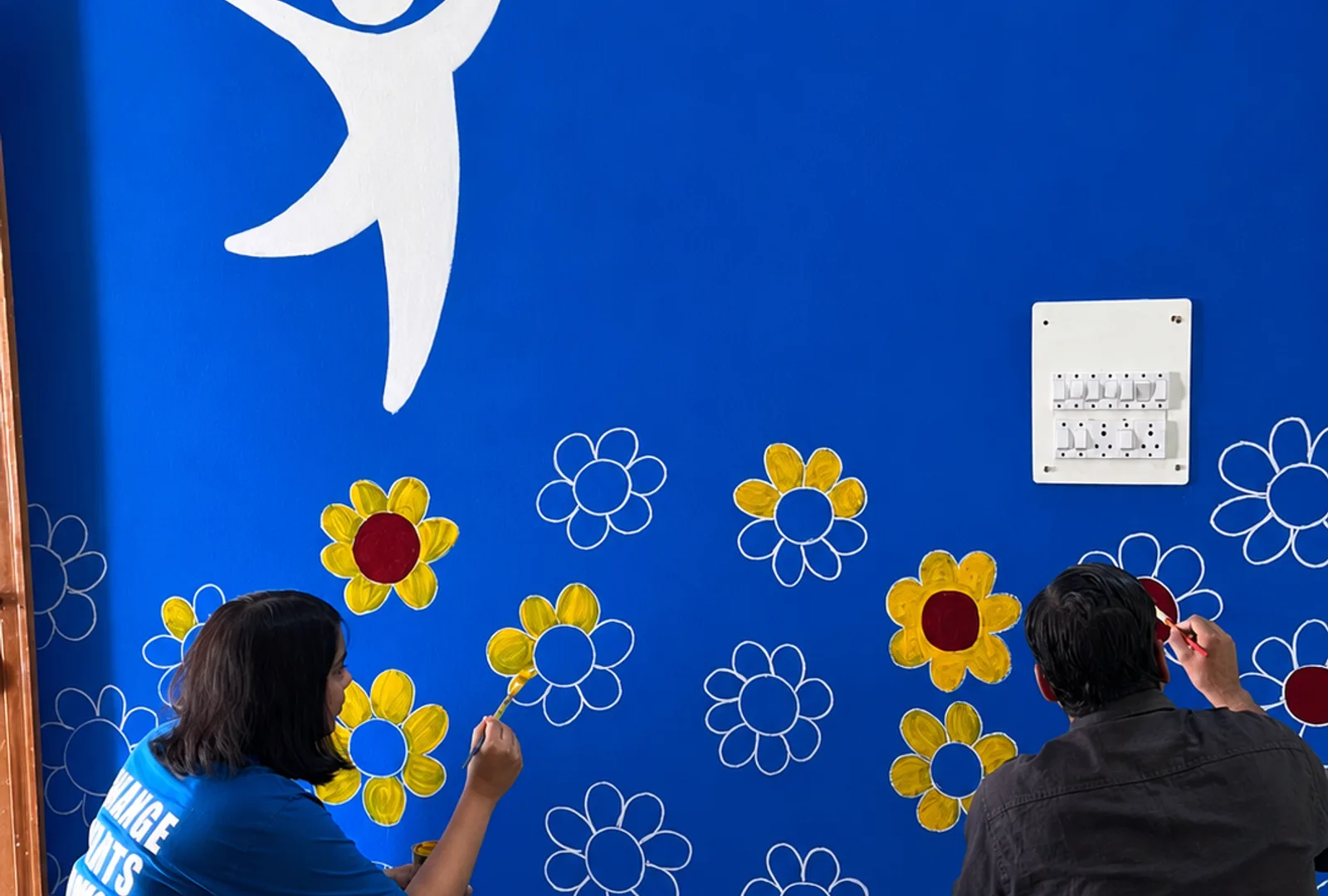
And then the children painted. Not us — them. Watching them cover the walls with colour, with noise, with the particular joy of a child who has been handed something creative and told that it is theirs, reminded us of the only thing that had ever really mattered: school should feel like somewhere you want to run towards. That day, for a few hours, it was not a construction site anymore. It was exactly what it should have been all along — a place where childhood could simply be childhood.
The details that complete a place
The last chapters of a renovation are rarely glamorous. They are the details — the finishing touches that nobody notices until they are missing. A second classroom unit was fully renovated in September 2025. An old boundary wall was replaced, and an MS shed was built over the open pot-washing area so the women working there had cover through rain and heat alike. By January 2026, almost two years after we first walked in, the school did not look like the same place. Because it was not.
What two years actually looks like
works completed across the campus over two years
- Washrooms for girls who previously had none, followed by nineteen new washrooms for boys.
- Clean drinking water restored through a new cooler, purifier and stabiliser.
- Light and air brought into classrooms that had neither, through new wiring and thirty-six fans.
- A working kitchen and midday meal store supporting hundreds of daily meals.
- A staff room, headmaster's office and change room that finally respect the people who work there.
- Three classroom units renovated and filled with colour by the children themselves.
- Drainage, paving and boundary work that finally keeps the campus dry and usable through every season.
What we learned
Looking back, this journey taught us something we did not expect to learn. A better school is not built in a single project. It is built in conversations — with students who finally feel heard, teachers who finally feel supported, and a building that finally feels like it was meant for the people inside it. This project was never just about repairing classrooms or building new facilities. It was about removing the barriers that quietly stood between children and their education.
Real change is never loud. It arrives the moment a child stops dreading school — and starts feeling like it was built for them.
Government Model Sanskriti Primary School, Sector 19, will always be special to us. It was our first BachpanShala. Change did not arrive here with a ceremony or a ribbon to cut. It arrived quietly, on an ordinary day, when a child walked in and smiled without needing a reason. And the work is still not finished.
🌱 Key takeaways
- A better school is not built in a single project — it is built in conversations, over years of showing up.
- Fixing the basics first — washrooms, water, light and air — is what lets learning actually happen.
- The biggest change is rarely on the walls. It's the way children walk in, like they finally belong there.
Laxmi
An integral part of Venus Foundation's impact-driven efforts, bringing focused dedication to every initiative she supports.